
What happened
On 30 October 2026, the Foundation for Media Alternatives published a civil-society map of AI risks in the Philippines.
Jessamine Pacis is the author named on the page. The report is free to read on the group’s website.
It draws on two workshops in Quezon City. The first met on 28 July 2026. The second met on 23 September 2026.
People in the room work on labor, outsourcing, education, health, gender, the environment, media and human rights.
They plotted each risk by how likely it seemed and how serious the harm would be.
Job loss and heavier workloads
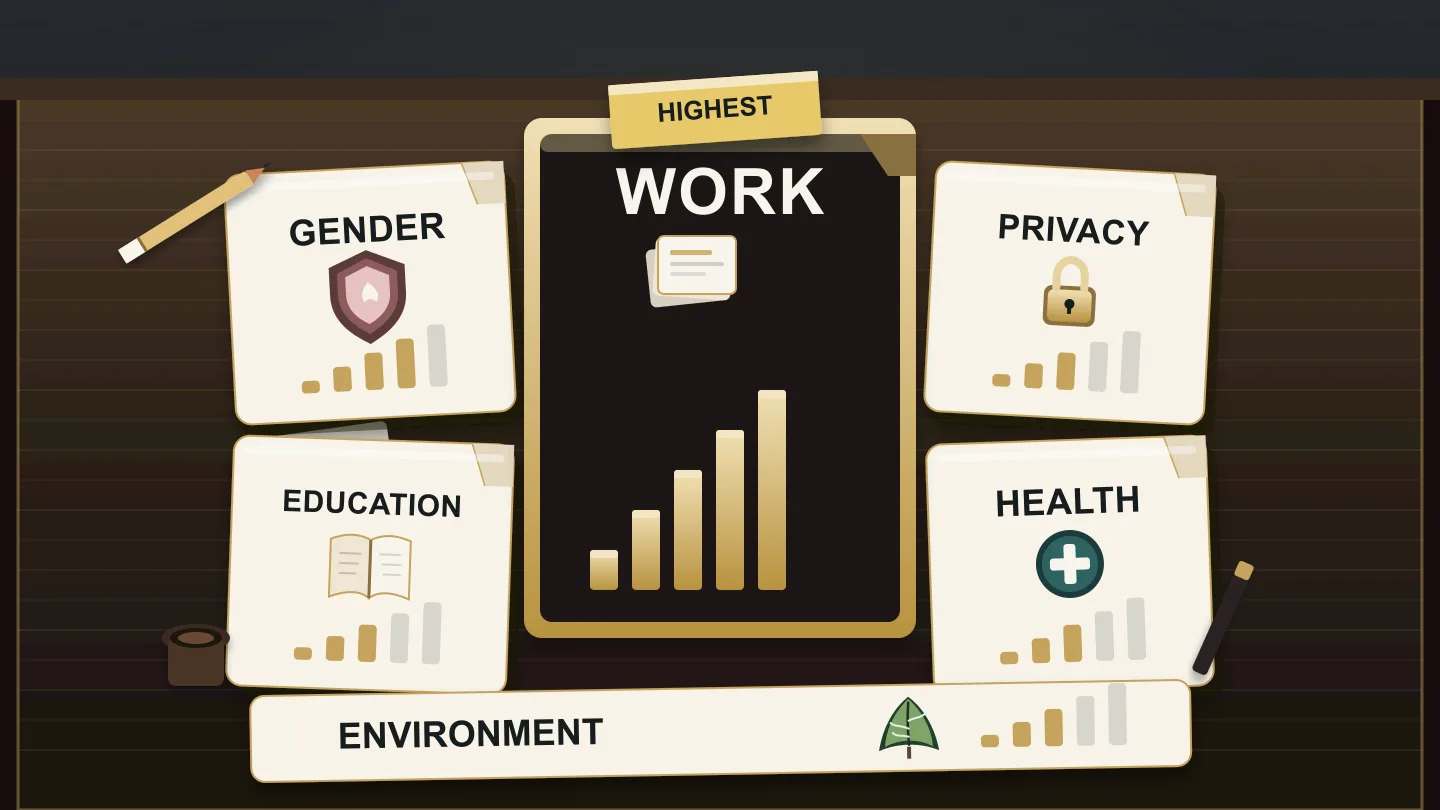
The report calls job displacement and labor intensification the most widespread risks across the sectors it mapped.
The two can happen together. A tool can remove some jobs and raise the quota for the people who stay.
The report recounts a workshop account from Clark, Pampanga. Quality-assurance specialists there lost jobs after automation.
It also recounts an estimate of about 1,500 people let go at another outsourcing company.
The account links that layoff to AI survey and monitoring work.
The report presents both as workshop accounts, not as a national jobs count.
AI-enabled abuse
A women and gender focus group ranked AI-enabled gender-based violence, including gendered disinformation, as its first priority.
The report’s matrix marks that risk high for both likelihood and severity.
Participants said deepfakes and apps that invent fake sexual images are testing older laws.
They named the Safe Spaces Act and the law against online sexual abuse of children.
They also named the Anti-Violence Against Women and Their Children Act.
Survivors, the report says, still struggle to see which law applies.
Women’s groups also said they have largely not been consulted on AI bills that are not specifically about gender.
Why it matters in the Philippines
Outsourcing, gig work and creative jobs are a large part of how many Filipinos earn.
The same workshops also mapped privacy, schools, health and the environment.
Health communicators described tools that offered outdated advice. The environment group reported no public Philippine studies of AI’s energy and water use.
The report says seven artificial-intelligence bills were filed from June to November 2025.
The report says a House technical working group is combining them into a substitute bill.
Participants ask that group for updated labor protections and for laws that cover AI-made abuse.
They also want a permanent body to oversee AI, with a clear legal mandate and a named lead office.
The report says these are workshop views. They are not a vote of every group in the room.
What to do or watch next
- Read the labor and gender sections on the foundation’s website before you repeat a rating.
- If an AI tool lands on your team, ask what happens to your quota, your pay and your role.
- Do not forward a sexual deepfake. The report says survivors still struggle to tell which law applies.
- Watch whether the House technical working group writes a permanent oversight body into its substitute bill.
- Watch whether Congress updates the Safe Spaces Act and the related laws to cover AI-made abuse.

How this was checked
On 1 November 2026, the report page dated 30 October 2026 was opened again.
The workshop dates, ratings, bill count and recommendations in this article come from that page.
The foundation describes them as judgments from its workshops. It does not present them as a government census.

Put this into practice
Open the report and check a rating yourself. If a fake image is the worry, learn the signs before you share it.
Sources & further reading
Source note. The linked sources support the news in this article. The explanations and suggested next steps are from Pinoy AI Works.