What IPOPHL proposed
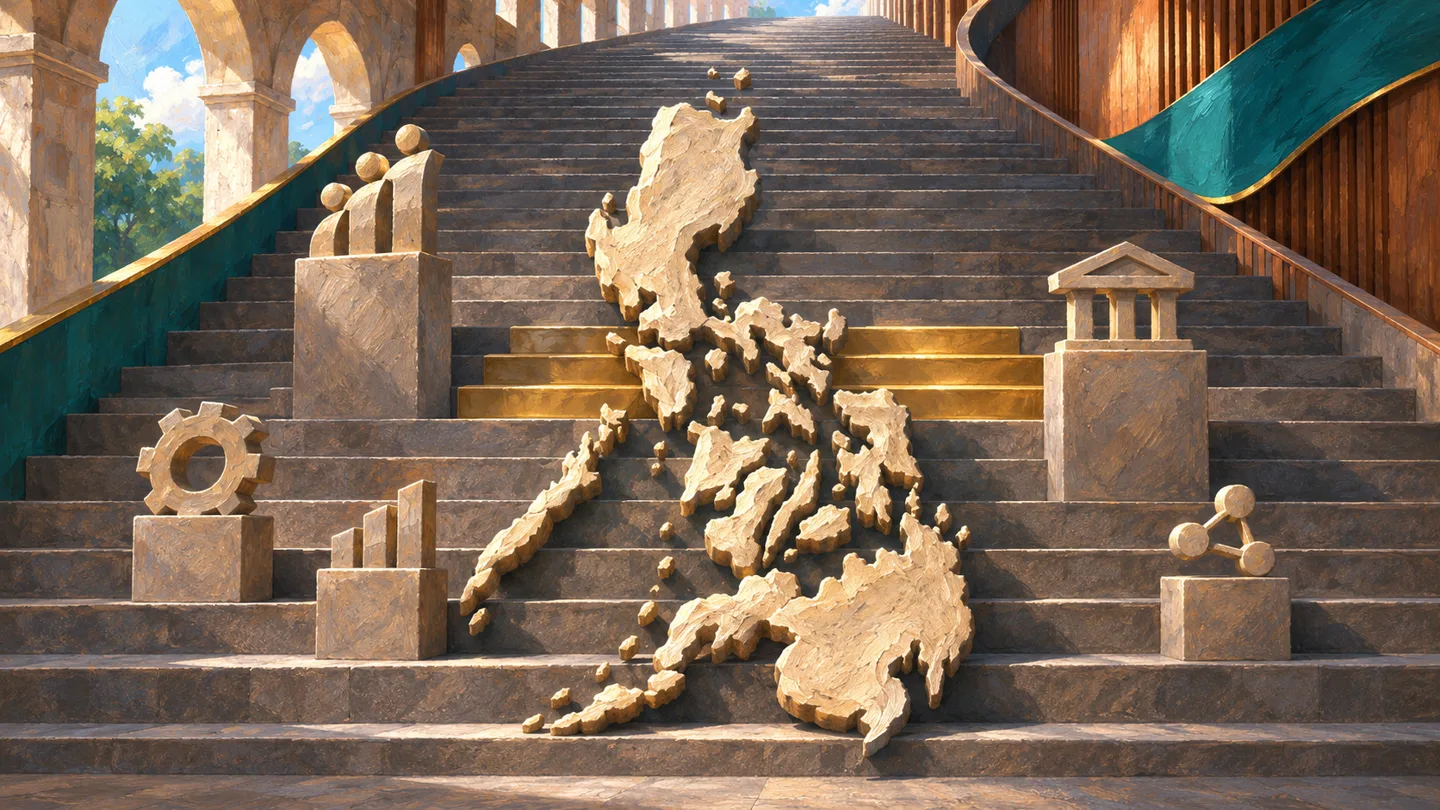
The Intellectual Property Office of the Philippines (IPOPHL) has proposed draft Guidelines on the Registrability of AI Systems and AI-Related Works. The Bureau of Copyright and Related Rights (BCRR) presented them at a public consultation in early September 2026.
Reprints of the 18 September 2026 announcement say using AI does not by itself stop registration. Protection may cover only original expression a person contributed, if it meets the originality standard already used in Philippine law.
Director General Teodoro C. Pascua has described the draft as a way to clarify registration, not as a general AI rulebook. The guidelines are not in force. MLex reported on 16 October 2026 that IPOPHL aims to issue them by the end of 2026.
The four types, in plain words
The announcement sorts works into four proposed types. These examples are IPOPHL’s, as outlets reprinted them, not examples written for this article.
AI-assisted means AI is a tool. A writer asks for wording or help organizing a manuscript, then selects, rewrites and arranges the text. Only that writer’s original expression would be the copyrightable part.
AI-enhanced means a person makes the work first. A photographer uses AI to clean or restore a photo they took. Protection would cover the original photo and human additions that still contain original expression.
A hybrid puts human work beside AI output. The reported example is lyrics a person wrote and a melody an AI system produced. The human part may qualify. The AI-generated part is not automatically protected.
AI-generated output with no meaningful human creative input would not qualify. A general prompt, submitted as the finished image, does not create copyright by being saved or filed.
What counts as "your part"
There is no single fixed test. Examiners may weigh, together, what the person contributed, what the AI system did, how AI pieces were selected, changed, arranged or incorporated, and what the applicant submits.
A prompt does not, by itself, show enough human creative contribution. Editing time and a filing do not automatically make the whole work yours.
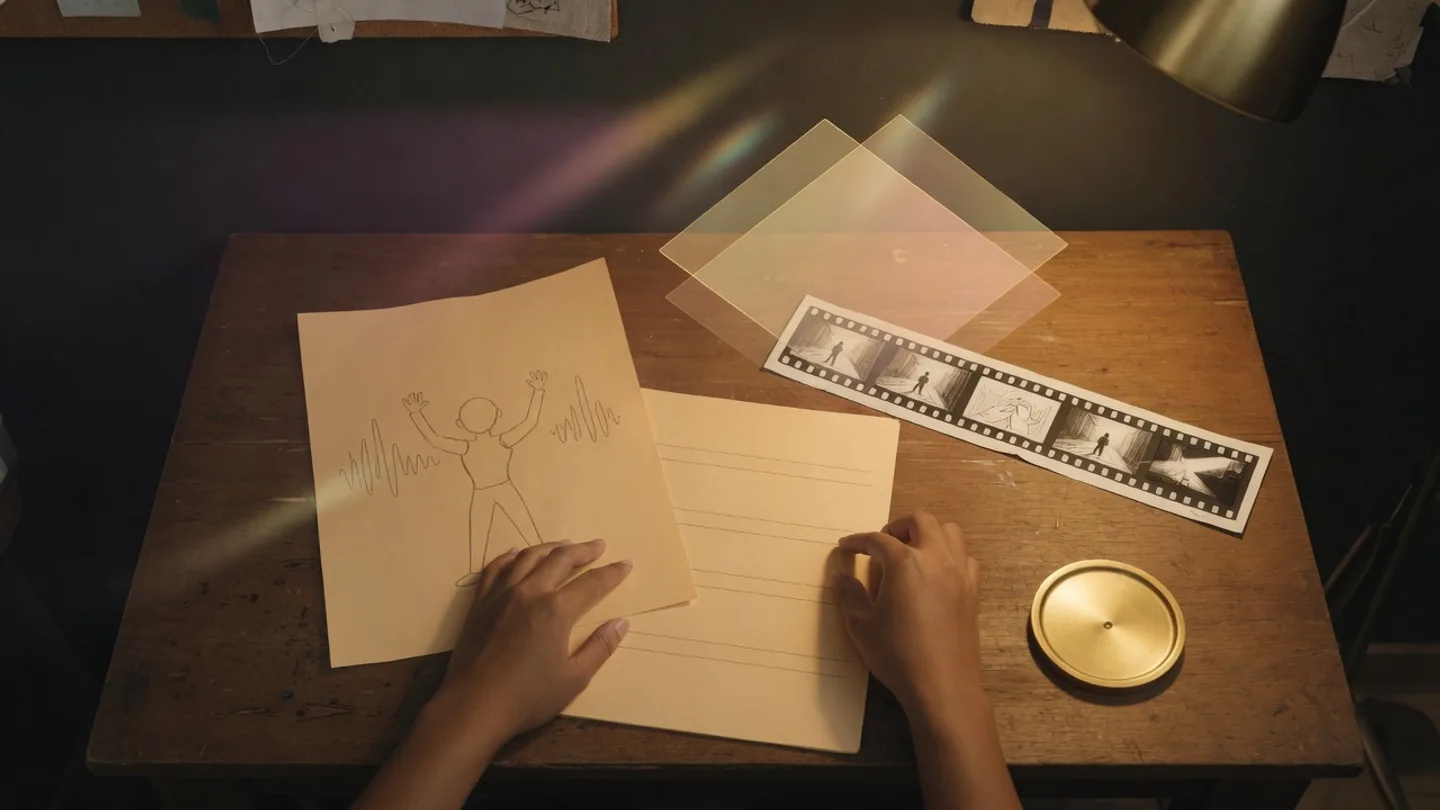
A poster, a Taglish song and an AI video here are illustrations, not IPOPHL examples. Describe the layout or wording you made, the lyrics you wrote rather than a generated melody, or the cuts you shaped rather than a prompt and an export. None of this means your file qualifies.

What it doesn't cover
As reported, registering an AI system would cover copyrightable expression in the computer program, not its training data or AI outputs outside that program. It would not decide whether that training was lawful.
The sources checked here do not state a fee. Under the Intellectual Property Code, copyright in an eligible original work arises when the work is created. Registration is optional, and filing does not create it.
The draft PDF was not available for this check, so this article does not state a generative-AI disclosure rule. A sponsored Managing IP summary mentions one. This is general information, not legal advice.
What happens next
No later IPOPHL release found on 18 October 2026 says these guidelines are already in force. The announcement and consultation pages did not load, so this article states no comment deadline. Confirm any date on IPOPHL’s own channels. Until a final text exists, this is a proposal about how registration would be examined.

What creators can do now
- Keep drafts, versions and notes showing what you chose, rewrote and edited, and watch IPOPHL for the final guidelines.
- Do not treat a prompt, a cleanup or a registration receipt as proof that you own every part.
- If you sell a poster, a track or a video, record which parts you made.
- Read the announcement, and read the draft when IPOPHL posts a copy you can open.
Put this into practice
Use these when you read the announcement yourself, or when you need a hard paragraph explained without turning it into advice.
Sources & further reading
- IPOPHL announcement, reported 18 September 2026. The page did not load on 18 October 2026.
- IPOPHL invitation to public consultation. The page did not load on 18 October 2026, so this article states no comment deadline.
- Inquirer Plus reprint of the IPOPHL announcement, 19 September 2026
- Newsbytes reprint, 19 September 2026
- MLex, James Konstantin Galvez, 16 October 2026. IPOPHL still aims to issue the guidelines.
- Managing IP, sponsored summary by Editha R. Hechanova, 15 September 2026
Source note. The linked sources support the news in this article. The explanations and suggested next steps are from Pinoy AI Works.