
What you can open today
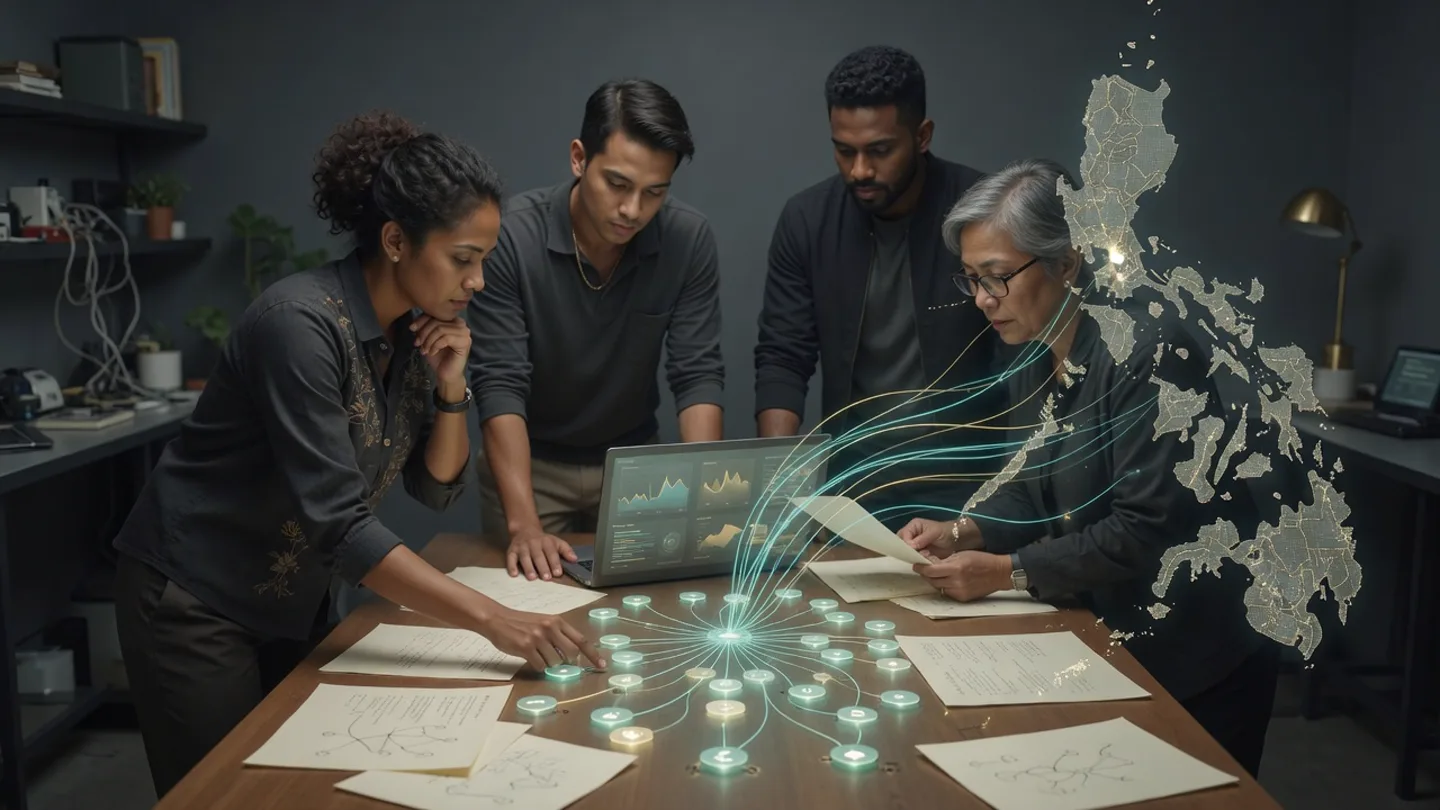
On 20 September 2026, The Philippine Star reported that the Department of Science and Technology is using AI in disaster preparedness. The live public piece is the Handa Integrated Platform for Preparedness and Response.
The Star said Handa launched in March. Philippine Institute of Volcanology and Seismology director Teresito Bacolcol described it as a place where you can ask about active faults in a region and receive answers. He also said the platform has simplified hazard assessment.
The public address is handa.georisk.gov.ph. That address answered on 22 September 2026. This article does not claim that every button on the site was tested.
What a public report does, and does not, do
Anyone can submit an incident report, the Star reported. The Office of Civil Defense and local governments then verify those reports. They use accounts issued by PHIVOLCS.
Sending a report does not by itself create an official warning or a class-suspension notice. Follow PAGASA warnings and announcements from your local government or the Department of Education.
What PAGASA is testing
DOST Secretary Renato Solidum Jr. told the Star that PAGASA’s data are large, so the agency needs AI to improve forecasts. The stated target is a range of five to 14 days.
He said forecast data are processed about every three hours. PAGASA is experimenting with AI to shorten that processing toward 15 minutes, so forecasts can be more up to date. That is a target under test. It is not a finished public forecast product.
The same report also mentioned PAGASA’s PANaHON app for near-real-time readings from weather stations. That app is separate from the AI forecast experiment.
What this is not
Handa is not DepEd Project LIGTAS+. LIGTAS+ is the school hazard tool. Handa is the DOST public platform. Do not treat advice from one as a decision from the other.
Bacolcol compared Handa with a chat assistant. That comparison is his description of the question-and-answer feature. It is not a claim that Handa is ChatGPT, or that an answer replaces a geologist or a weather bureau bulletin.
What to do next
- Open handa.georisk.gov.ph to look up hazards such as faults in your region.
- Treat an AI answer as a starting point. Check it against PAGASA, PHIVOLCS, or your local disaster office before you travel or cancel plans.
- If you submit an incident report, wait for civil defense or your local government to verify it.
- Do not wait for a 14-day AI forecast. Use the weather warnings PAGASA publishes now.

Put this into practice
Before the next typhoon or quake, practise turning official advisories into steps and checking a forwarded warning against its source.

Sources & further reading
Source note. The linked sources support the news in this article. The explanations and suggested next steps are from Pinoy AI Works.